Figuring out what to wear in Pakistan is usually the biggest source of anxiety for first-time visitors. As a conservative Islamic republic, the dress code leans heavily toward modesty, but as a country with diverse climates—from the sweltering plains of Punjab to the freezing peaks of the Karakoram—your packing list needs to be highly adaptable.
The good news? The rules are simpler than you think, and there is no legal mandate for foreigners to dress exactly like locals. However, making a small effort to blend in will earn you immense respect, help you avoid unwanted stares, and keep you much more comfortable in the heat.
Here is your complete guide to dressing appropriately and packing smartly for Pakistan.
1. The Golden Rule of Pakistani Dress Codes: Modesty
Whether you are in a bustling market in Karachi or a remote village in Hunza, the baseline for both men and women is modesty. This means:
- Shoulders and upper arms must always be covered. (No tank tops, singlets, or spaghetti straps).
- Legs should be covered at least below the knee.
- Midriffs and cleavage must be entirely covered.
You will notice that almost everyone in Pakistan wears loose-fitting, lightweight clothing. Tight or revealing clothes are generally considered inappropriate in public spaces.
2. Dress Code for Female Travelers
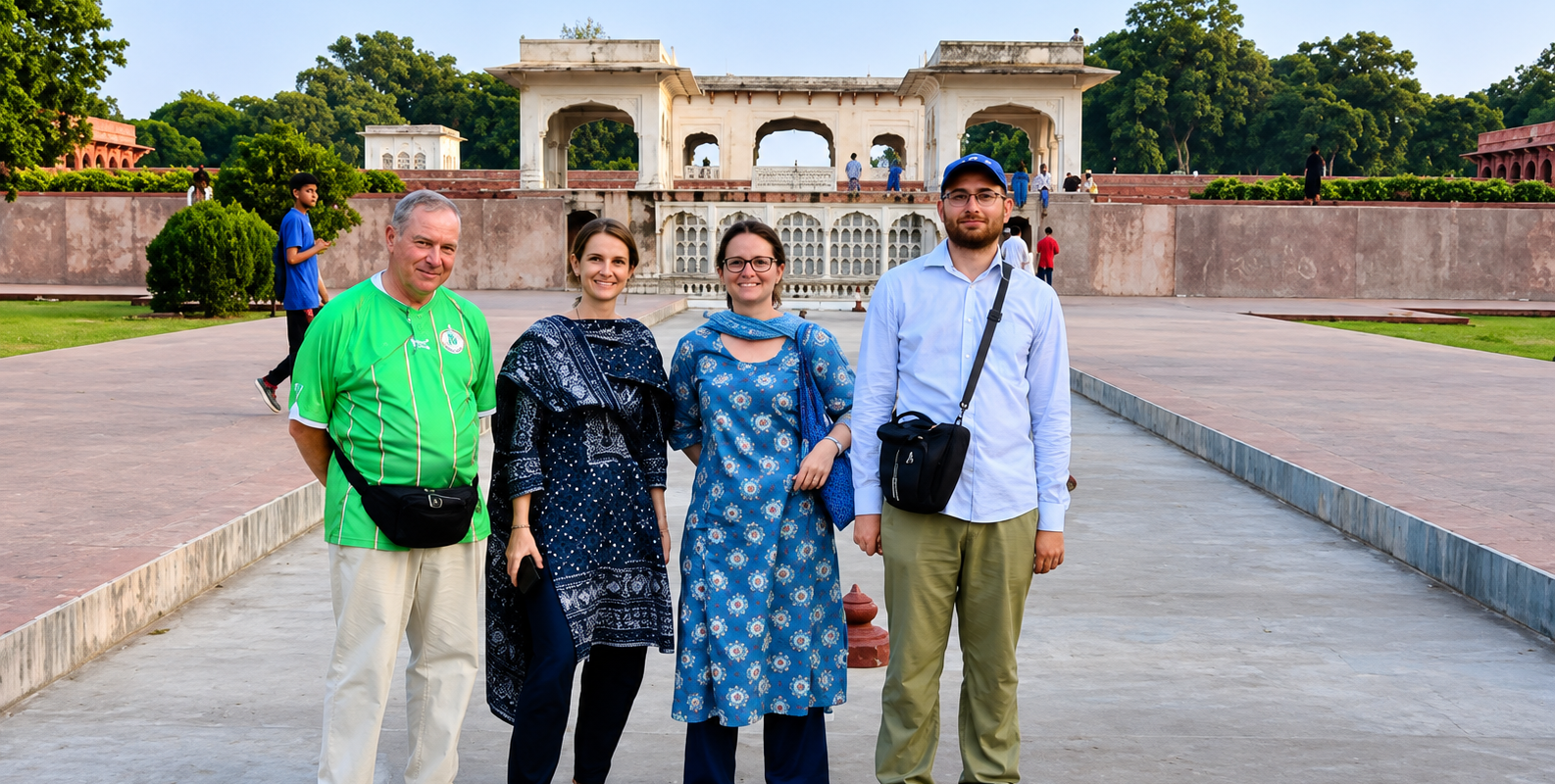
Many women worry they will need to wear a burqa or completely cover themselves. This is entirely false. Western clothes are perfectly fine, provided they adhere to the modesty rules.
- Tops: Loose, long-sleeved or 3/4-sleeved linen or cotton shirts are perfect. Tunics that fall below the hips (to cover your bottom) are ideal, especially if you choose to wear tighter pants like jeans or leggings.
- Bottoms: Baggy trousers, wide-leg linen pants, or long skirts are great choices.
- The Headscarf (Dupatta): You do not need to wear a headscarf walking down the street. However, you must cover your hair when entering a mosque or a religious shrine. It is highly recommended to carry a lightweight scarf (dupatta) in your daypack at all times. You can also drape it across your chest for an extra layer of modesty.
3. Dress Code for Male Travelers
The rules for men are slightly more relaxed but still conservative by Western standards.
- Tops: Standard T-shirts are perfectly acceptable everywhere. However, avoid sleeveless shirts or vests in public.
- Bottoms: While foreign men can wear shorts, it is strongly advised to wear full-length trousers. If you must wear shorts due to the heat, ensure they fall below the knee. Very short athletic shorts will make you stick out and are inappropriate for visiting mosques.
- In the Mountains: When trekking in regions like Gilgit-Baltistan, standard hiking gear (including hiking shorts for men) is much more accepted, as the locals are very accustomed to international trekkers.
4. The Ultimate Travel Hack: Buy a Shalwar Kameez
If there is one piece of advice every experienced traveler to Pakistan will give you, it is this: Buy local clothes as soon as you arrive.
The traditional Shalwar Kameez consists of baggy trousers (shalwar) and a long tunic (kameez). Not only is it not considered “cultural appropriation” for foreigners to wear it—locals absolutely love it and view it as a sign of deep respect for their culture.
It is incredibly breathable in the 40°C (104°F) summer heat of Lahore, protects your skin from the sun, acts as a mosquito barrier in the evenings, and immediately helps you blend in. Great, affordable local brands in major cities include Khaadi, Generation, and Sapphire.
5. Packing for the Climates: City vs. Mountains
Pakistan is a country of extremes. If you are doing a standard 14-day trip that covers both the cities and the mountains, you essentially need to pack for two different seasons.
For the Cities (Islamabad, Lahore, Karachi):
- Fabrics: Pack exclusively lightweight, breathable fabrics like linen, thin cotton, and moisture-wicking materials.
- Footwear: Comfortable walking sandals (like Birkenstocks or Tevas) or breathable sneakers. You will be taking your shoes on and off frequently to enter mosques and homes, so slip-ons are highly convenient.
- Extras: Strong sunscreen, electrolyte packets, and wet wipes (toilet paper is rare outside of hotels; locals use a bidet system).
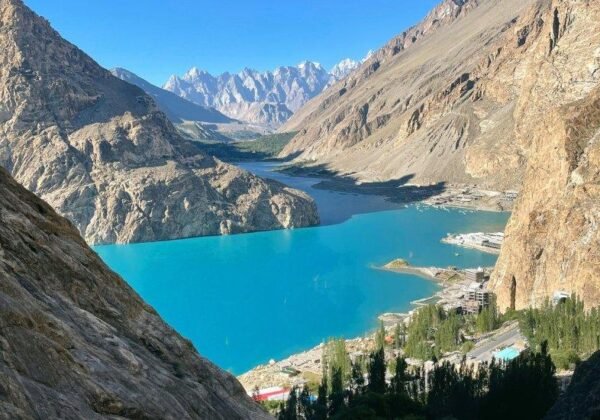
For the Mountains (Hunza, Skardu, Fairy Meadows):
- Layers: As soon as the sun goes down, temperatures in the north can plummet, even in summer. Pack a quality fleece and a packable puffer jacket.
- Trekking Gear: If you plan on doing day hikes, standard hiking pants (not too tight for women) and moisture-wicking long-sleeve shirts are best.
- Footwear: Sturdy hiking boots with good ankle support and grip. Many of the trails are rocky and uneven.
- Extras: A headlamp (power cuts are frequent in northern villages), a high-capacity power bank, and altitude sickness medication (Diamox) if you plan on going above 3,000 meters.