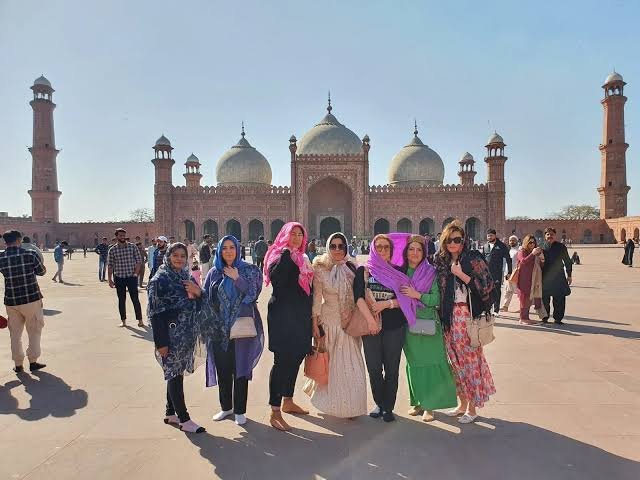
If you type “Is Pakistan safe?” into a search engine, the results can be polarizing. On one side, government advisories often paint the entire nation with a broad brush of caution. On the other, travel vloggers tout it as the most hospitable place on earth.
The truth, as always, lies somewhere in the middle. Pakistan is a massive, incredibly diverse country. Safety here isn’t a simple “yes” or “no”—it depends entirely on where you go, how you travel, and how you conduct yourself.
This guide provides a realistic, nuanced look at safety for foreign tourists visiting Pakistan.
1. Regional Safety: Where is Safe and Where Isn’t?
Pakistan’s geography dictates its safety profile. As a general rule, the classic tourist trail is considered very safe for foreigners.
The Safe Zones (Green Light)
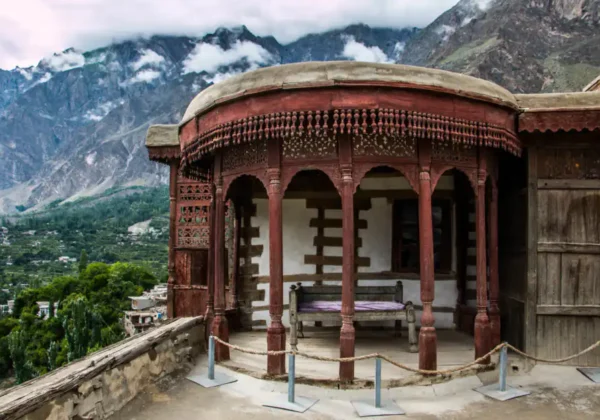
- Gilgit-Baltistan (The North): Including Hunza Valley, Skardu, Fairy Meadows, and the Karakoram Highway. This region relies heavily on tourism and is widely considered one of the safest areas in the country. Crime against foreigners is exceptionally rare.
- Major Cities (Punjab & Sindh): Lahore and Islamabad are generally very safe, much like any major developing city. Karachi requires more street smarts due to petty crime (like phone snatching), but violent crime against tourists is uncommon.
- Khyber Pakhtunkhwa (Tourist Areas): The Swat Valley and Chitral are well-patrolled and safe for tourism.
The No-Go Zones (Red Light) Foreigners are generally restricted from or strongly advised against visiting:
- The immediate border areas with Afghanistan (former FATA regions).
- Parts of Balochistan (unless on a specific, cleared route like the Makran Coastal Highway with an NOC—No Objection Certificate).
- The Line of Control (LoC) near Kashmir.
If you stick to the established tourist routes, you will likely only encounter overwhelming hospitality, not hostility.
2. The “No Objection Certificate” (NOC)
For most standard itineraries (Lahore, Islamabad, Hunza, Skardu), you do not need an NOC.
An NOC is a government-issued permission slip required to enter sensitive or restricted areas. If you plan to travel very close to borders, undertake specific high-altitude mountaineering expeditions, or travel through parts of Balochistan, you will need one. For 95% of first-time visitors, this isn’t something you need to worry about.
3. Petty Crime and Scams
Unlike many popular European or Southeast Asian tourist hubs, Pakistan doesn’t have a developed “scam economy” targeting foreigners.
- Pickpocketing: Rare in the north, but a possibility in crowded bazaars in Lahore or Karachi. Keep your valuables secure as you would anywhere else.
- Overcharging: While bargaining is part of the culture in markets, aggressive overcharging of foreigners is less common than in neighboring countries. You will often find vendors offering you free tea rather than trying to rip you off.
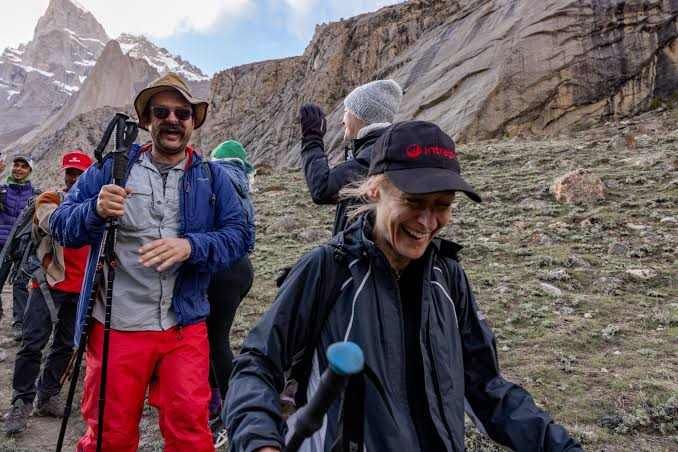
jasmine Tours – Pakistan
4. Road Safety: The Real Danger
If there is one genuine physical risk in Pakistan, it’s the traffic.
- City Driving: Traffic in cities like Lahore and Karachi is chaotic, with rules often treated as suggestions. Crossing the street requires confidence and a steady pace.
- Mountain Roads: The Karakoram Highway is a marvel of engineering, but it is prone to landslides, especially during the monsoon season (July-August). The cliffside roads to places like Fairy Meadows are notoriously dangerous.
How to stay safe: Always hire experienced local drivers for mountain routes. Do not attempt to rent a car and drive yourself in the north unless you have extensive experience driving in similar conditions in developing countries.
5. Female Travelers: What to Expect
Pakistan is a conservative Islamic republic, and female travelers will experience the country differently than men. However, many solo female travelers explore Pakistan safely every year.
- Dress Code: Modesty is non-negotiable. This means loose clothing that covers the shoulders, arms, and legs. A shalwar kameez (the local tunic and loose pants) is incredibly comfortable and will earn you immense respect. You do not need to cover your head unless entering a mosque, but carrying a dupatta (scarf) is highly recommended.
- Male Interactions: Staring is common, though it is usually out of curiosity rather than malice. To avoid unwanted attention, it’s best for solo women to sit in the “family sections” of restaurants and take the front seats in public transport (which are often reserved for women).
The Verdict
Is Pakistan safe? For the prepared, culturally respectful traveler sticking to the main routes, the answer is a resounding yes. The biggest “risk” most foreigners face in Pakistan is being overwhelmed by the sheer volume of tea they are offered by locals eager to welcome them to their country.